
The Exchange
1800 Owens St
Property type
Office Space
Common in this district
Life sciencesResearchTechnical teams
Explore property →Mission Bay is a planned mixed-use district shaped by UCSF, medical facilities, research activity and newer commercial development. Life-science, technical and research users consider it for purpose-built or newer-generation workplaces and proximity to a larger institutional ecosystem. Its broad blocks and campus-like projects feel different from the older building fabric of SoMa or the traditional towers of the Financial District.
Common across the district; individual buildings vary.
A few examples that show the range of commercial space found in Mission Bay.
1800 Owens St
Property type
Office Space
500 Terry Francois Blvd
Property type
Office Space
For a specific space: Confirm current availability and the exact condition, configuration, access, and permitted use of any specific space.
Compare the location against how your business actually operates.
Understand Mission Bay as San Francisco’s newer institutional and life-science-oriented commercial district, shaped by UCSF gravity, modern office and lab-adjacent buildings, larger development parcels, and waterfront adjacency south of SoMa.
Rofo will help you define what you're looking for and create a Location Brief for your search.
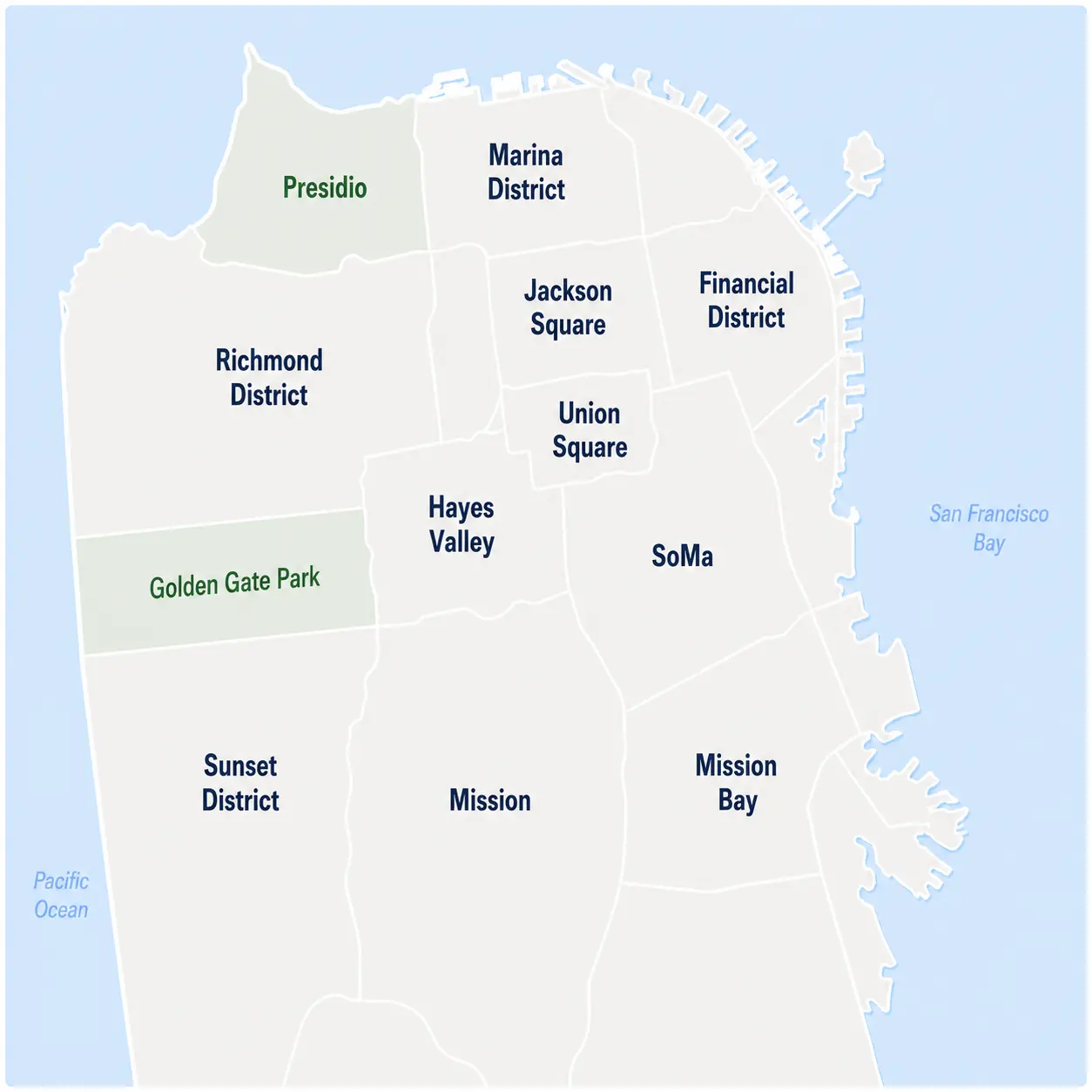
Use the map and links to compare nearby commercial areas.
Mission Bay is not only a lab-space answer. Rofo evaluates it as a modern San Francisco business environment where building format, growth planning, and institutional context can matter more than neighborhood mythology.
Newer institutional and life-science-oriented commercial district south of SoMa, with modern office form, larger development parcels, and waterfront adjacency.
Mission Bay reads through newer development parcels, institutional anchors, medical and life-science gravity, and modern office buildings rather than the older warehouse and adaptive fabric that defines much of SoMa.
Office, lab-adjacent, institutional, and modern mixed-use commercial settings are the safest public read, with retail and food serving the district rather than defining it.
It fits teams that want proximity to UCSF, medical and life-science activity, newer building formats, and a southern waterfront setting distinct from traditional downtown office geography.
The district is shaped by Caltrain/South Beach proximity, Mission Creek, the waterfront, and north-south movement between SoMa, Dogpatch, and the Central Waterfront.
Mission Bay is San Francisco's newer institutional and life-science-oriented commercial district, shaped by UCSF, modern office and lab-adjacent buildings, larger parcels, and waterfront adjacency south of SoMa.
Compare if you are choosing between adaptive central-city office texture and newer institutional office context.
Compare if formal downtown access matters more than life-science or institutional adjacency.
Compare later for a more industrial/adaptive waterfront edge south of Mission Bay.
Compare if smaller historic boutique office context may fit better than newer institutional geography.
Compare if Mountain View technology-campus scale may fit better than Mission Bay's institutional life-science context.
Compare if purpose-built biotech and lab/R&D infrastructure may fit better than Mission Bay's urban institutional setting.
A strong Mission Bay Commercial Market Evidence collection must explain the district's specialized innovation, health, life-science, medical, waterfront, and event-amenity roles without implying that every building supports lab or medical use. Evidence should help tenants compare Mission Bay with SoMa, the Financial District, South Beach, Dogpatch, and Peninsula campus alternatives.
Uber Mission Bay defines the district's modern headquarters identity and shows why Mission Bay is not simply an overflow office market from downtown.
What it does not prove: May be less useful for smaller teams, traditional client-facing firms, or companies whose employees need the broadest BART-oriented downtown access.
Alexandria Center at Mission Bay - 1700 Owens is a core life-science reference for the private lab and R&D cluster that grew around UCSF.
What it does not prove: Lab, ventilation, power, hazardous-material, and technical-use suitability must be validated building by building and suite by suite.
Alexandria Center at Mission Bay - 1500 Owens complements 1700 Owens by showing Mission Bay as a life-science ecosystem rather than a one-building story.
What it does not prove: Biotech suitability depends on suite-level infrastructure, code, landlord approval, and operating requirements.
455 Mission Bay Boulevard South is important evidence for understanding UCSF adjacency and research-tenant demand inside Mission Bay.
What it does not prove: Specific lab, ventilation, loading, waste, and safety requirements remain property- and suite-level validation topics.
The Exchange shows Mission Bay's office identity beyond pure lab use and gives general office tenants a modern district benchmark.
What it does not prove: Do not assume lab capability or specialized infrastructure without validating the specific space.
500 Terry Francois explains the bayfront office character of Mission Bay and the appeal of newer buildings outside the traditional downtown core.
What it does not prove: District amenities and street activity may feel less organic than older neighborhoods.
550 Terry Francois represents newer office and lab-adjacent supply that deepens Mission Bay's innovation identity along the waterfront.
What it does not prove: Office/lab orientation should not be treated as proof that any available suite supports specialized research use.
UCSF Mission Bay / Genentech Hall is essential evidence because it explains why Mission Bay became a life-science and research-oriented district.
What it does not prove: As institutional evidence, it should not be treated as a direct leasing substitute for private office or lab buildings.
UCSF Medical Center at Mission Bay explains the healthcare and clinical side of the district's commercial ecosystem.
What it does not prove: Hospital adjacency does not mean nearby private office space supports medical use, patient access, clinical operations, or specialized compliance needs.
Chase Center is not standard office inventory, but it is a major demand and amenity anchor that shapes how companies experience Mission Bay.
What it does not prove: Event traffic, parking demand, street closures, and crowd patterns can complicate daily operations for some users.
409 Illinois explains the Illinois and Terry Francois edge of Mission Bay and gives the district a smaller modern office-format example.
What it does not prove: May not carry the same headquarters signal, life-science cluster gravity, or institutional adjacency as larger Mission Bay anchors.
These examples explain durable operating patterns. Confirm current availability, suite condition, permitted use, and property-specific capability separately.
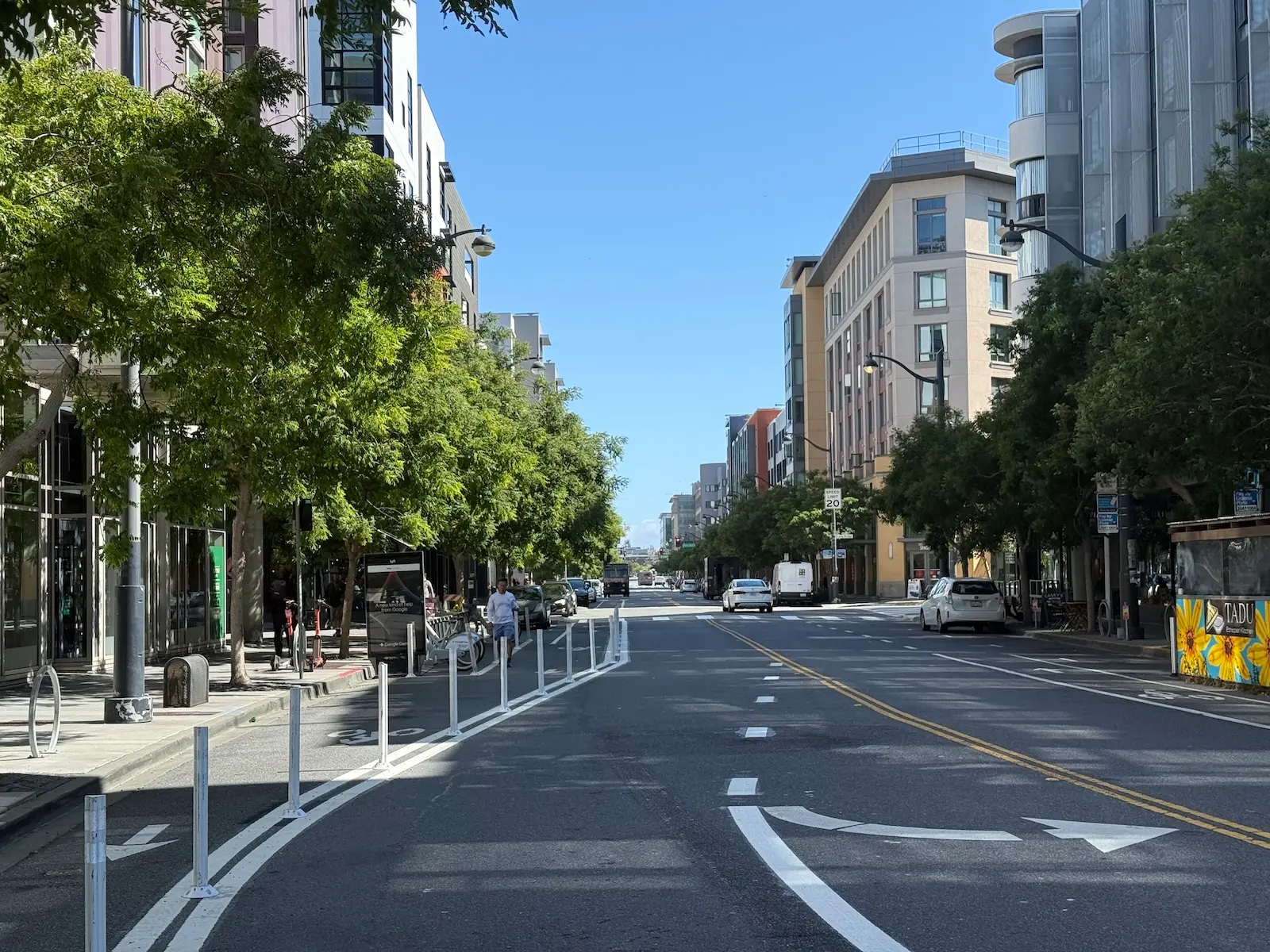
A few views that show Mission Bay’s newer institutional, life-science, office, and waterfront-adjacent commercial environment.
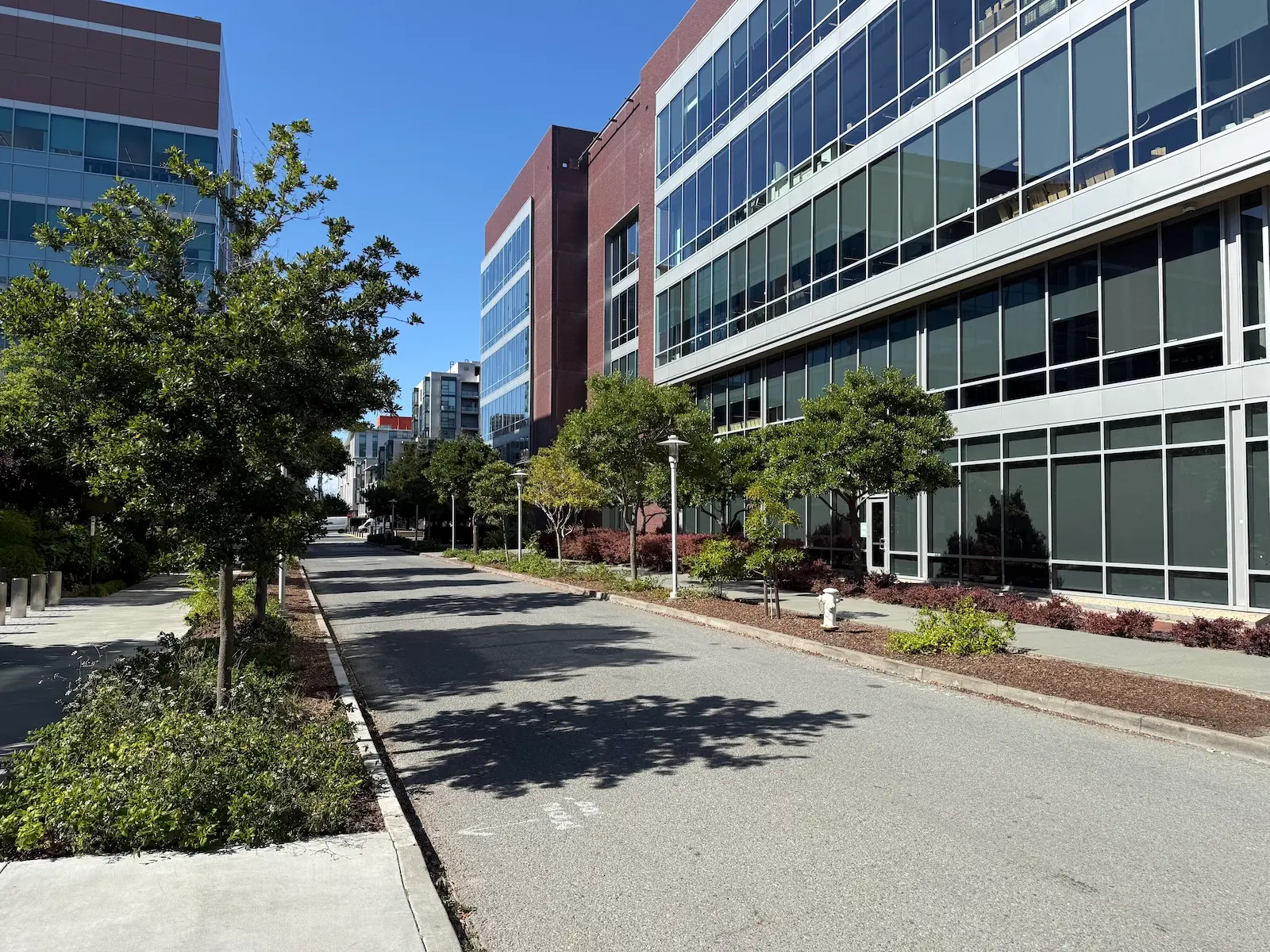
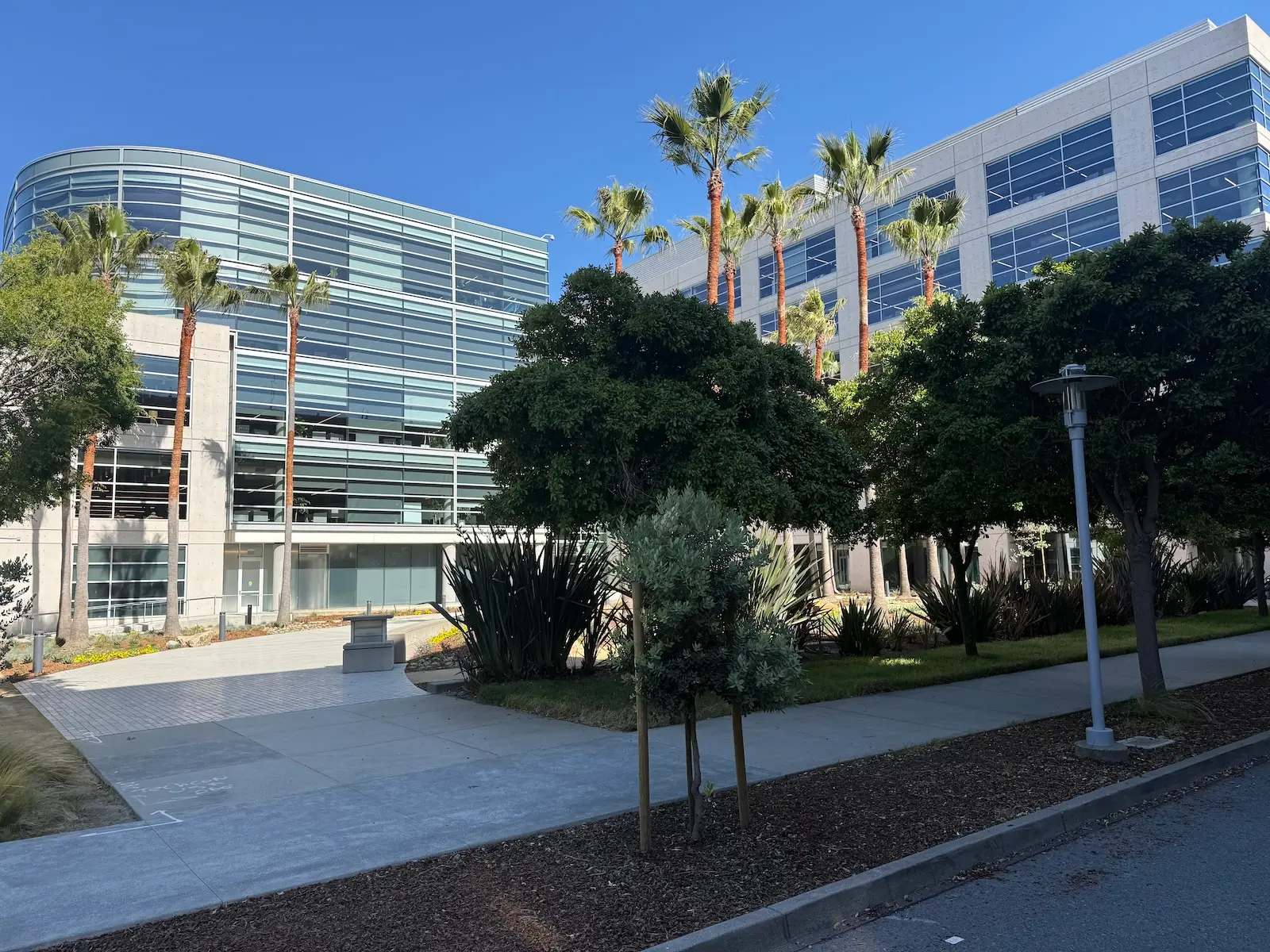
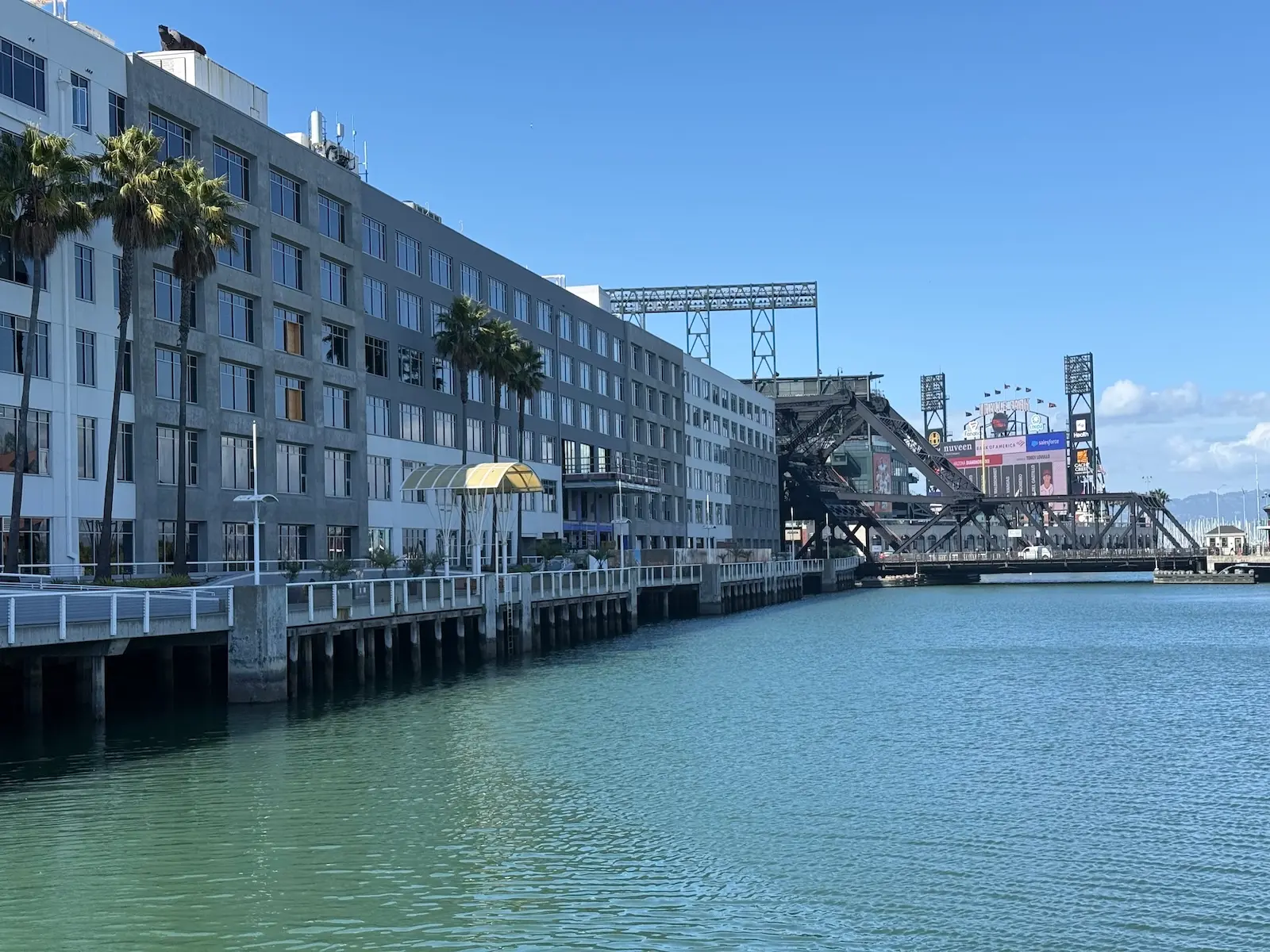
These certified examples show how this location can fit different business needs. They are examples, not universal answers.
Use these comparisons to see how representative buildings express different tradeoffs within and around the district.
Compare The Exchange and 550 Terry Francois when deciding within Mission Bay. The Exchange is best understood as a innovation benchmark, while 550 Terry Francois is best understood as a life science benchmark.
Compare Alexandria Center at Mission Bay - 1700 Owens and Uber Mission Bay when deciding within Mission Bay. Alexandria Center at Mission Bay - 1700 Owens is best understood as a life science benchmark, while Uber Mission Bay is best understood as a innovation benchmark.
Compare Pier 70 Building 12 and Mission Bay when deciding between Dogpatch and Mission Bay. Pier 70 Building 12 is best understood as a adaptive reuse benchmark, while Mission Bay is best understood as a district.
Mission Bay has emerged as one of San Francisco's largest centers for AI and life science companies. Large floor plates, newer office buildings, and proximity to UCSF have attracted engineering and research teams that might once have concentrated elsewhere in the city.
Since 2023, OpenAI has expanded across multiple buildings in the district, helping reinforce Mission Bay's reputation as a home for fast-growing technology companies. Businesses considering Mission Bay often compare it with SoMa, Downtown San Francisco, and Jackson Square.
Use these relationships to read Mission Bay as a newer institutional and life-science-oriented commercial district, and to compare it with adaptive, boutique, and downtown office alternatives nearby.
Broader and more adaptive-commercial, with older warehouse-office texture, larger mixed-use blocks, and stronger central San Francisco overlap.
More neighborhood-scaled and production-adjacent south of Mission Bay, useful for understanding the shift toward Central Waterfront commercial geography.
More showroom, flex, and adaptive-industrial than Mission Bay's newer institutional and life-science-oriented setting.
More formal, vertical, and client-facing, with traditional office-core geography rather than newer institutional waterfront development.
Explore commercial space types across the broader San Francisco market.
Use the broader city page and market guide to continue comparing commercial real estate options across San Francisco.